Editing Room Confessions: What We Cut From the Final Film

Great films are made in the editing room, where the director sits with an editor and decides what the audience will never see. At Furlough Film Studio the editing room is also the cupboard, which makes decisions faster and the lighting worse. Here are seven scenes that did not make the cut.

Scene one: The long stare at the wall

In this scene, our lead looks at a wall for eleven minutes. It was cut because the wall gave a better performance than the actor. The wall has asked for a credit.

Scene two: The chase

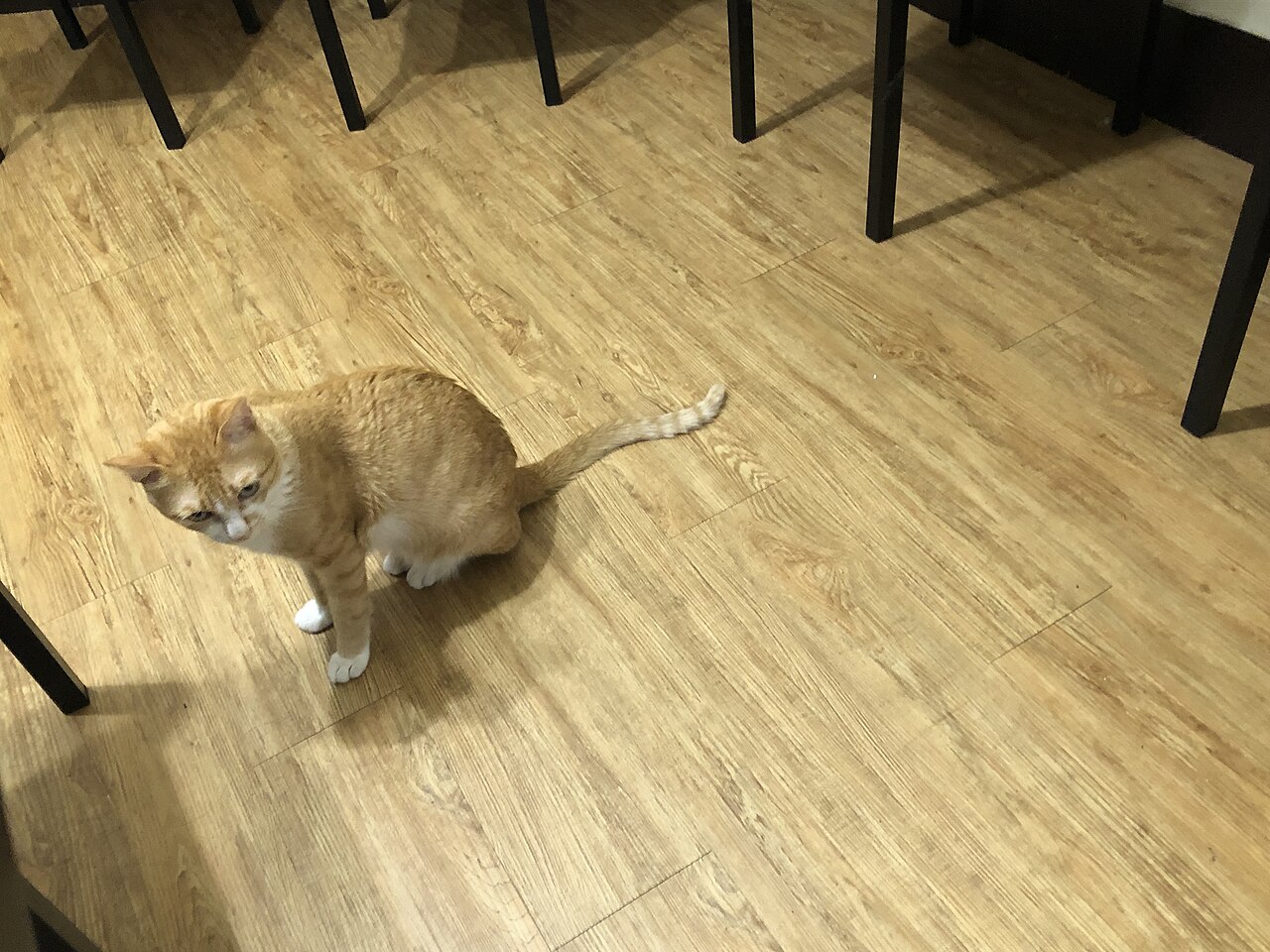
A chase sequence in which a cat pursues a moth across the sofa. It was cut because the moth was the better athlete, and because the cat gave up after four seconds and sat down for what felt like the rest of the film.

Scene three: The confrontation

Two cats square up in the hallway, tails fluffed, eyes narrowed. After a tense minute they both walk away in opposite directions. It was cut because it was too realistic.

Scene four: The dream sequence

A sequence in which our lead dreams of flying over a vast landscape of cushions. It was cut because the dream was longer than the film.

Scene five: The monologue

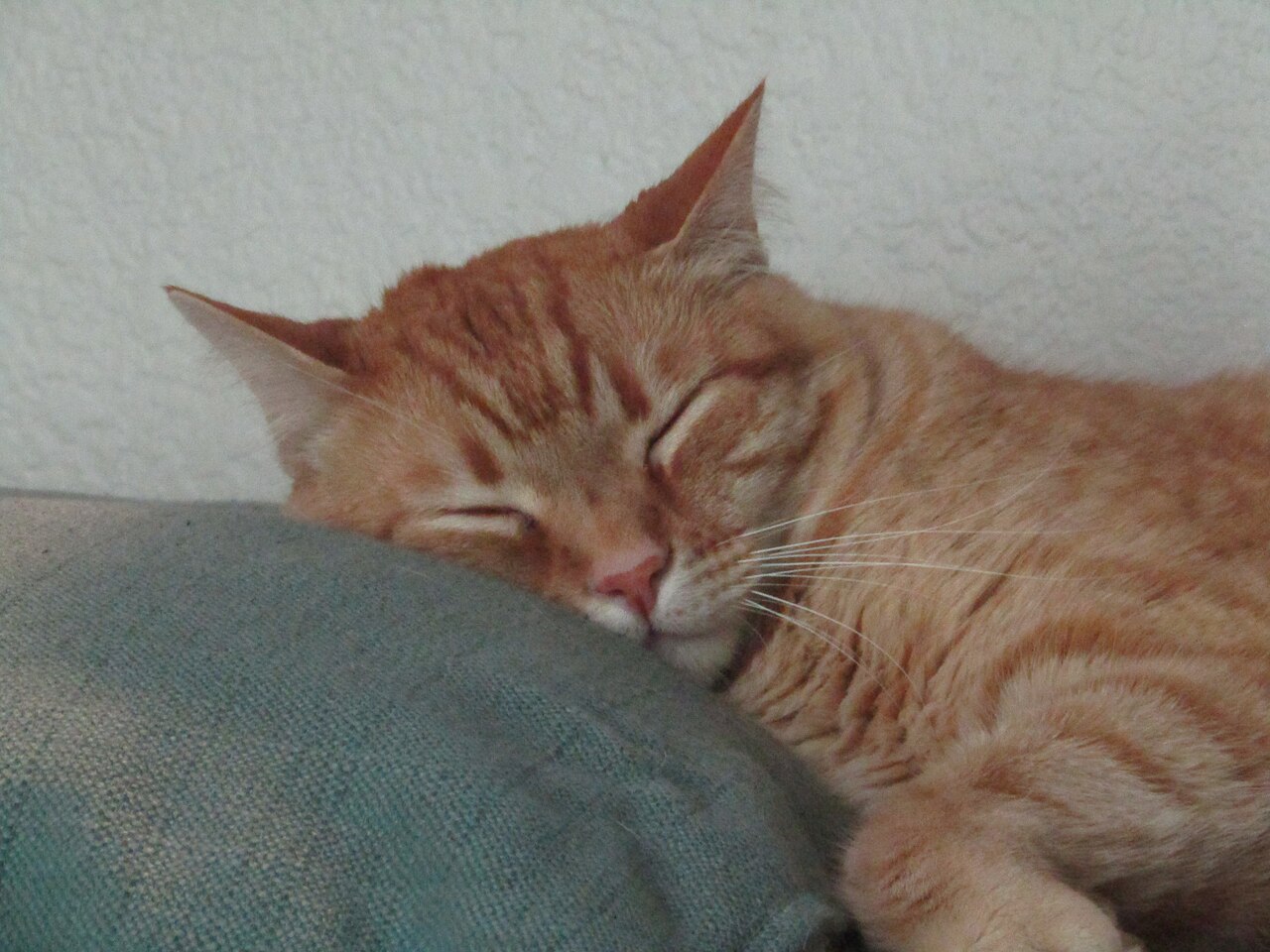
Orson wrote a three page monologue about the nature of comfort. It was cut when the only actor available fell asleep on the third line.

Scene six: The kiss

A romantic moment between two cats ended in a fight over a blanket. It was cut because it was too romantic.

Scene seven: The credits

The original credits ran for forty minutes and listed every cat who had ever walked past the set. They were cut for time, and because Biscuit noticed that his name was misspelled.

What remains

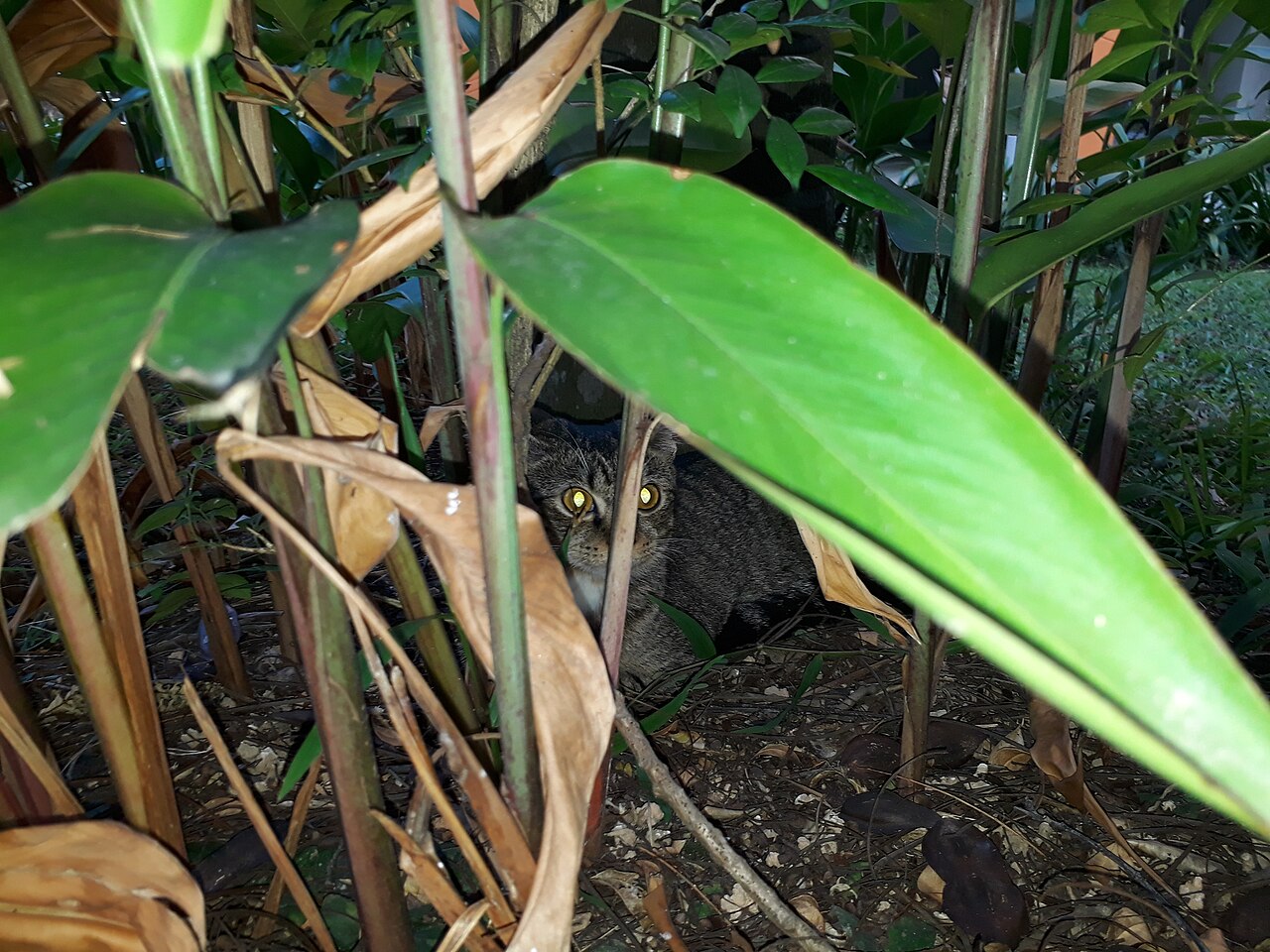
After all the cuts, the film runs to three hours and forty minutes. We think it is still too long. We think it is also too short. The editing room cat, a grey tabby named Splice, has declared the film “finished for now.”

Lessons

Editing teaches us that the most important thing is not what you include but what you leave out. In our case, this was nearly everything, and the result is a masterpiece of absence.

Furlough Film Studio is a fictional company, and none of these scenes were filmed, although we would have loved to see them.
Stunts on a Budget: How We Filmed the Great Curtain Climb

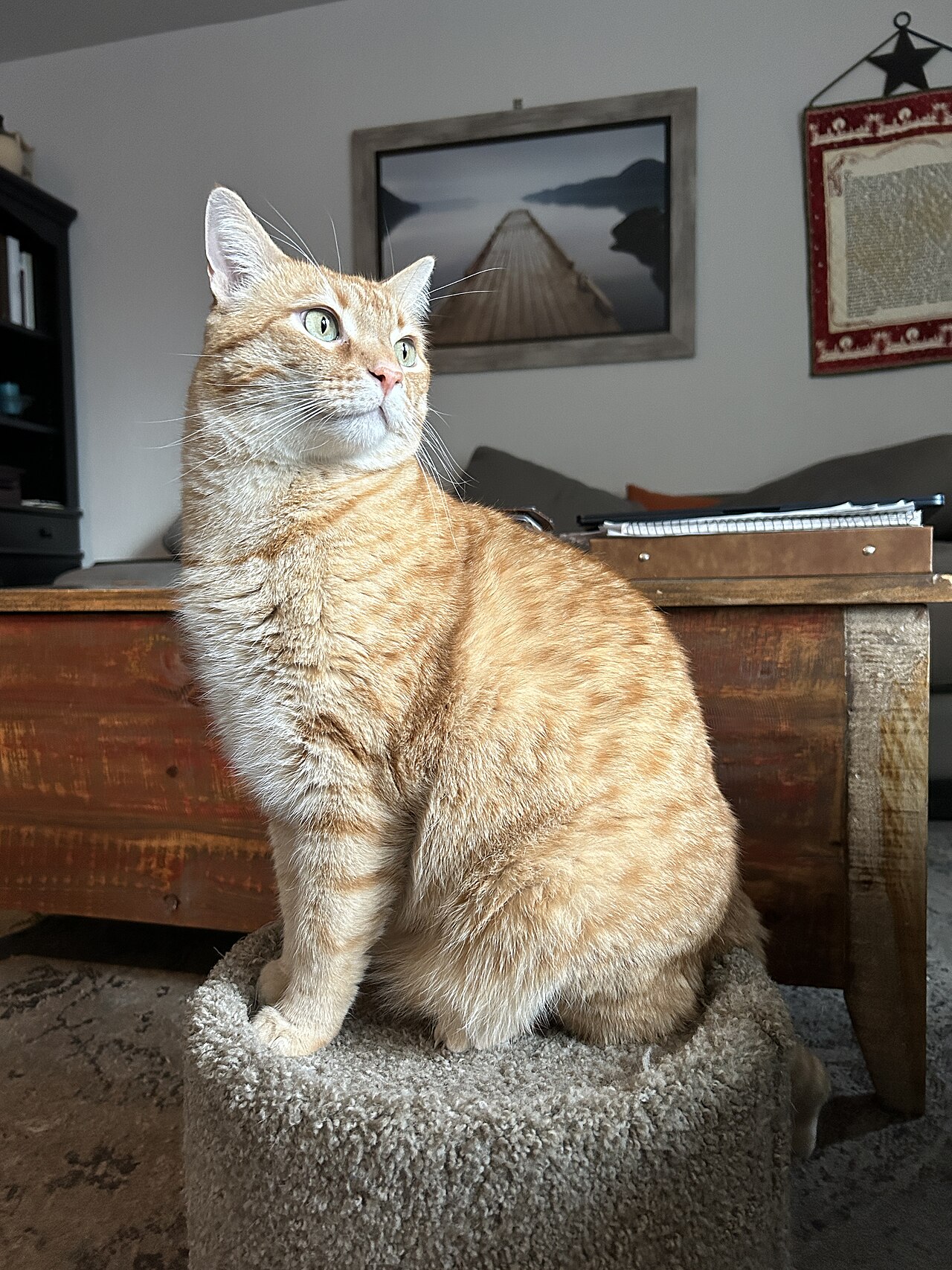
One of the most memorable scenes in our film Curtain Call was the Great Curtain Climb, a dramatic ascent filmed in a single take by a stunt cat known only as Zig. This is the story of how it was done.

Preparation

Stunt work begins with safety. Our stunt coordinator, a one eyed Siamese named Captain Zoomer, inspected the curtain, the rail, and the floor beneath. He found the curtain to be heavy, the rail to be loose, and the floor to be underneath. He signed off at once.

The rig

We did not use wires, because we did not have any. We used the following equipment instead:

  • A large cushion at the base of the curtain, in case of a fall
  • A smaller cushion at the base of the large cushion, in case of a fall from the large cushion
  • A tin of fish held at the top by a crew member on a stool, as motivation
  • A blanket draped over the rail, to prevent the curtain from collapsing before the end of the take

The technique

Zig began on the floor, looked up and froze for eleven seconds. This was not planned, but it looked excellent on camera. He then jumped onto the curtain with all four paws and began to climb, stopping every third step to ask himself what he was doing.

At the halfway point, the curtain began to sway. Zig reacted instantly by climbing faster. This increased the sway. He reacted by climbing faster still. The camera crew, led by Gaffer Gary, applauded.

The summit

Zig reached the top of the curtain after thirty seconds. He sat on the rail, surveyed the room, and gave a small, victorious meow. There was only one problem: he had not planned how to get down.

The descent

The descent was less glamorous. Zig clung to the curtain and slid downwards, in a long, loud, ripping motion, and landed on the cushion. He stood up. He licked a paw. He walked off set as though nothing had happened.

Aftermath

The curtain was removed from the set and is now on display in our lobby, labelled “Historic Damage.” Zig has retired from stunt work and now teaches climbing at the local nursery, where he is described as an inspiration and a risk.

Safety notice

No viewer should attempt a curtain climb at home. If you do, please be aware that the curtain will not forgive you, and nor will the person who owns it.

Furlough Film Studio is a fictional company. This account is invented, though the curtain is based on a real one that lost.

Lighting for the Sofa: A Technical Guide by Gaffer Gary

My name is Gaffer Gary and I am in charge of light. I have been in charge of light at Furlough Film Studio for four years, and I have been in charge of the sunbeam for longer than that. In this guide I will explain what I know, which is mostly where the sun is.

Principle one: Use the sun

The sun is the best light source ever invented. It is free, it is warm, and it moves in a predictable arc, ending up on the sofa at 2 PM. Many directors ask me to fake the sun with lamps. I say no. I say the sun is already faking itself.

Principle two: Know your window

Our studio window faces south east. This means that the best light arrives in the morning, a good light arrives at noon, and a very dramatic light arrives at 4 PM, when the sofa glows like a loaf of bread. Plan your schedule around these times. If you cannot, plan around your nap.

Principle three: The three point lighting setup

Professional crews use three lights: key, fill and back. We use one sunbeam, one lamp and one spot on the floor. The sunbeam is the key. The lamp is the fill. The spot on the floor is the back, since that is where the cat is.

Equipment list

  • One window, large
  • One lamp, shaded, positioned so that it is nearly knocked over
  • One piece of foil, to bounce light, and to be chased
  • One curtain, to control the light, and to be climbed
  • One tail, for shadows

Creating mood

Mood comes from contrast. A bright sunbeam against a dark corner makes a cat look mysterious. A cat sitting entirely in shadow looks like a rumour. A cat sitting half in and half out of the light looks as though she has just made an important decision.

Common mistakes

Do not point the lamp directly at the actor. Do not hang the foil above the actor, unless you wish to lose the actor. Do not allow the curtain to swing during the take. Do not allow Gaffer Gary to fall asleep in the shot.

A word of warning

Light changes quickly. A scene that looks perfect at two will look terrible at ten past, when a cloud arrives. If this happens, do not panic. Wait for the cloud to leave. Wait for another. Wait until it is time for dinner.

Furlough Film Studio is a fictional production company, and this guide is a parody. Please do not use it to light anything real, particularly a fish.

The Director’s Chair: Why Every Cat Insists on Sitting in It

There is a chair on every film set. It has a canvas back, a folding frame, and the director’s name on it in large letters. At Furlough Film Studio this chair is the most contested object in the building, and it has never once been used by a director.

The history of the chair

The chair arrived in our office on the first day of production, a gift from a supplier who wished us well. Orson Whiskerton, our founder, approached it with great ceremony. He walked around it twice. He sniffed the seat. He climbed in. Within four minutes he was asleep, and a new tradition was born.

Why cats love it

There are several reasons why cats are drawn to the director’s chair.

  • It is raised off the floor, offering a view of the entire set
  • It is slightly unsteady, which is exciting
  • It carries the scent of authority, which is mainly Orson
  • It is canvas, which is excellent for kneading
  • It has a name on it, and a cat enjoys being mistaken for someone important

The rules

To avoid conflict, we have introduced a set of rules.

1. The chair belongs to whoever is in it
2. A cat that leaves the chair for any reason loses the chair
3. A cat that returns to the chair finds another cat in it
4. This is the director’s fault

Directing from the chair

On the rare occasions when a decision is required, Orson gives his orders from the chair. These are usually delivered in the form of a slow blink, which the crew interprets as “carry on.” Some interpret it as “I have no idea.” Both are valid readings of the situation.

A day in the life

At 6 AM the chair is empty. At 6:05, Gaffer Gary is in it. At 6:30, Fluffy Coppola has pushed him out and taken the seat. At 8, the whole crew is gathered around, waiting for a decision, and the chair holds two cats and a sleeping hat.

What the chair teaches us

The director’s chair teaches us that authority is not a position but a posture. It is the manner in which you sit, the angle of your tail, and the firmness with which you refuse to be moved. By this measure, every cat in the studio is a director, and none of them is making a film.

Furlough Film Studio is a fictional company. The chair is real, in that it exists in our imagination and sags in the middle.